"Spaces of freedom" public talks in Sremska Mitrovica and Kikinda
Local discussions held in Sremska Mitrovica and Kikinda as part of the “Spaces of Freedom” project opened key questions regarding the survival of culture, social life, and civic self-organization in environments where institutional spaces are closed, rendered meaningless, or permanently inaccessible to citizens. Although spatially and contextually different, these meetings clearly demonstrated that the need for free, independent socio-cultural spaces exists everywhere - and that it does not disappear even as conditions become increasingly difficult.
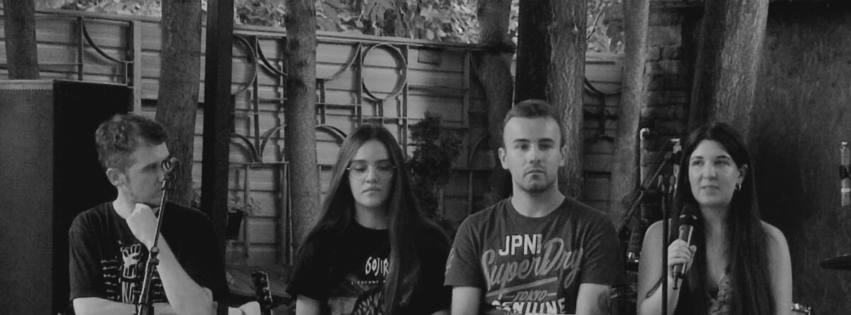
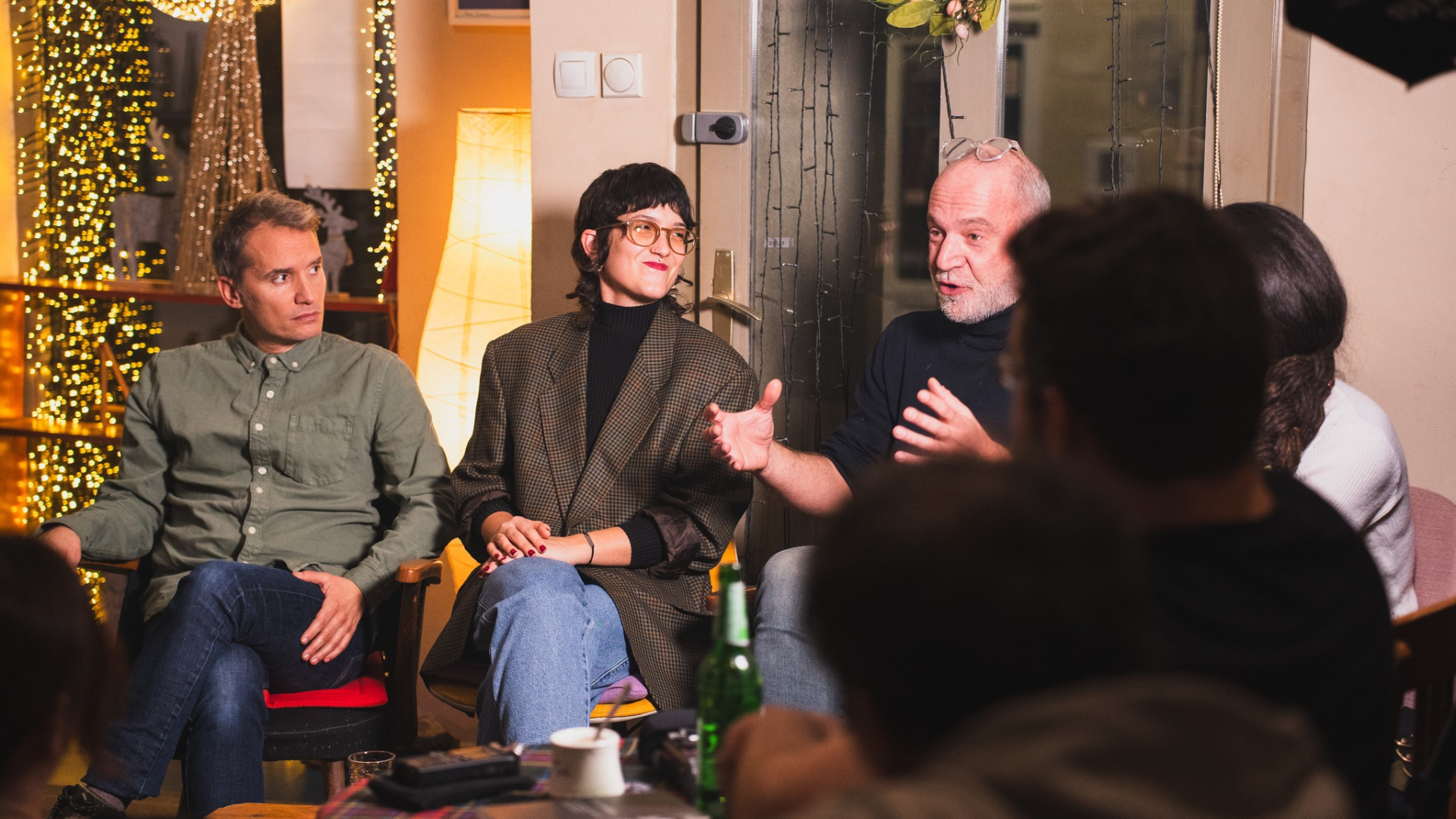
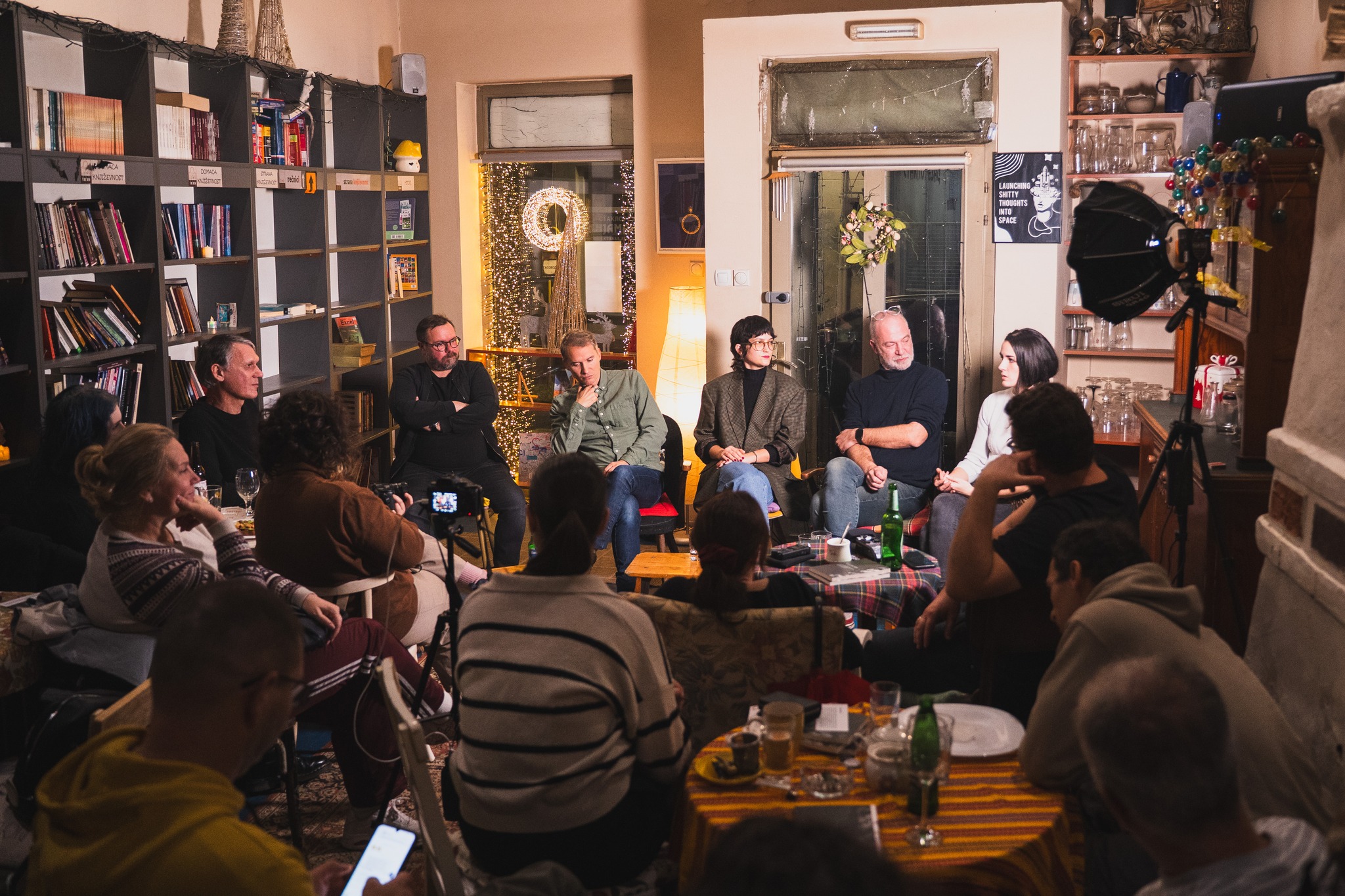
In Sremska Mitrovica, a discussion initiated by the Čvor Cultural Center brought together activists, artists, and representatives of independent cultural centers from Belgrade and Novi Sad. Through their personal experiences, participants testified to the long-term importance of the continuous existence of free spaces. Although Čvor still does not have a space of its own, programs implemented in cooperation with a local café-bookstore have shown that walls are not essential - but that space, visibility, and stability are crucial for the creative potential of a community to develop.
The discussion also addressed the broader social context: the marginalization of culture, the closed nature of institutions, minimal public funding, and growing repression. In such conditions, independent spaces are becoming rare but essential places of freedom, dialogue, and resistance to dominant social patterns.
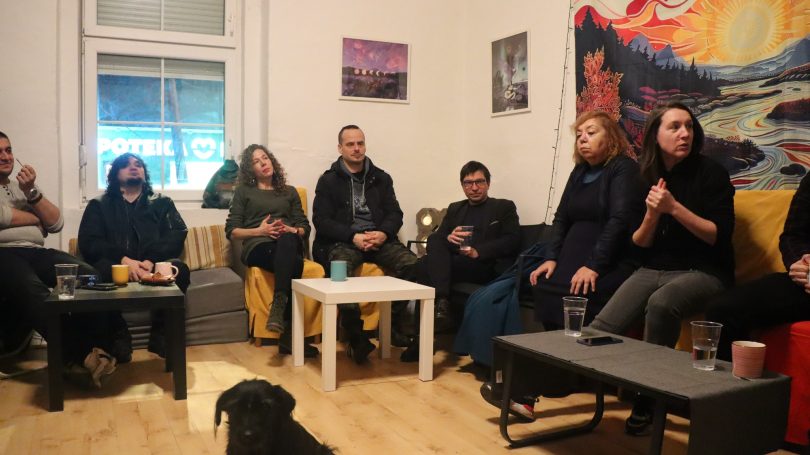
Similar challenges, but different responses, were presented in Kikinda. A public discussion held at Soba 24 (Room 24), a space created by transforming part of a private house into a community venue, highlighted the trend of social life retreating into the private sphere. This shift is a direct consequence of the closure of local community centers, the passivation of cultural institutions, and the systematic removal of critical content from public institutions.
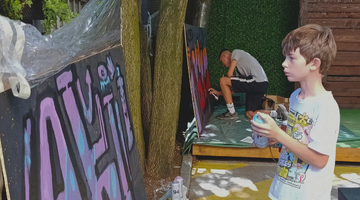
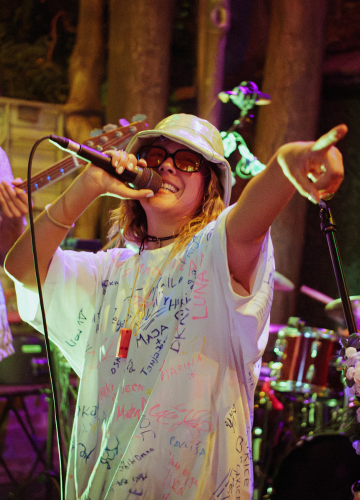
Soba 24 illustrates how individual initiative can temporarily fill the gap left by the disappearance of public spaces: through film screenings, discussions, workshops, and humanitarian events, this small venue has become an important gathering place and a source of belonging for part of the local community. At the same time, participants emphasized that private spaces cannot and must not become a permanent substitute for accessible, shared community centers.
Both discussions, each in their own way, pointed to the same structural logic: the erosion of public spaces goes hand in hand with the dismantling of mechanisms for civic self-organization. However, the experiences of independent centers such as CK13 and KC Grad, as well as new initiatives emerging in smaller towns, show that culture and social life do not disappear—they change form, relocate, and reinvent themselves. Whether they arise in cafés, abandoned industrial zones, or private homes, spaces of freedom remain vital points of encounter, exchange, and solidarity.